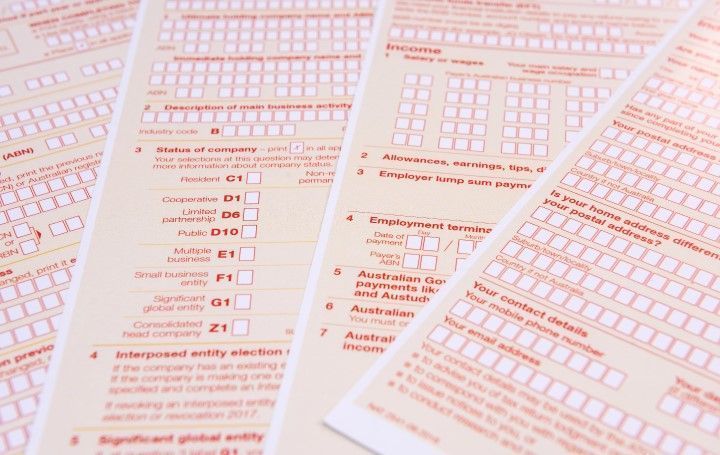
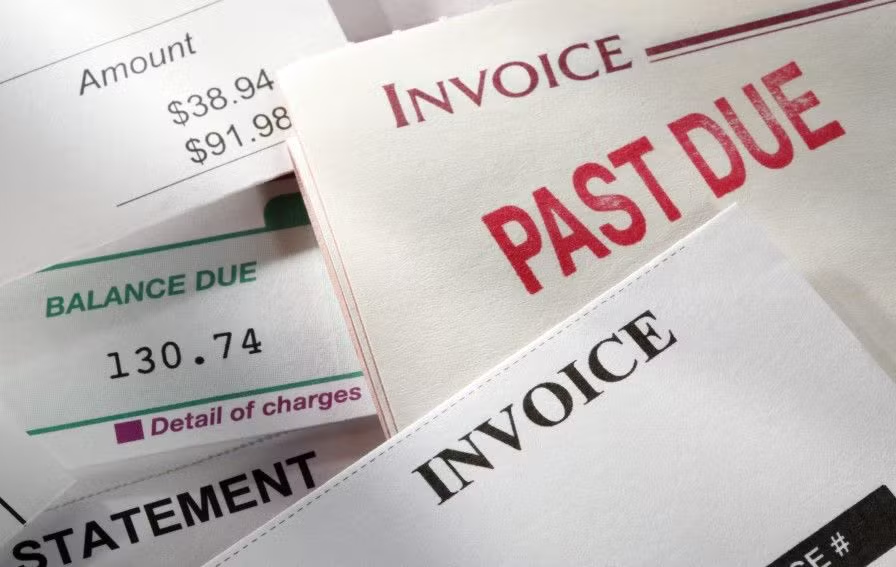
 Unable to obtain payment from a debtor, get deduction for bad debt, so don’t panic. Depending on the accounting method used by your business, you may be able to claim a tax deduction for the unpaid amount. April 2021 has become a closely observed month with many of the government’s COVID-19 economic supports coming away. As with the wind down of any stimulus, there’ll be inevitable business casualties, perhaps not immediately, but many economists predict that there’ll be many business failures in the coming months. If you find your business in the unenviable position of being unable to obtain payment from a debtor, don’t panic, depending on the accounting method used by your business, you may be able to claim a tax deduction for the unpaid amount.
As the government’s COVID-19 economic supports and stimulus winds down, there is no doubt that some businesses may experience debts that cannot be recovered from customers or other debtors. This unrecoverable debt is commonly known as a “bad debt” and you may be able to claim a tax deduction for the unrecoverable amount depending on the accounting method used.
If you account for your income on an accruals basis, that is, you include all income earned for work done during the income year even if you haven’t yet received the payment by the end of the income year, you may be able to claim a tax deduction for a bad debt.
In order to claim a deduction for a bad debt, you must have included the amount in your assessable income either in the current year tax return or an earlier income year. You will also need to determine that the debt is genuinely bad, rather than merely doubtful, at the time your write it off. Whether or not the debt is genuinely bad depends on the circumstances of each case, with the guiding principle being how unlikely the debt can be recovered through reasonable and/or commercial attempts.
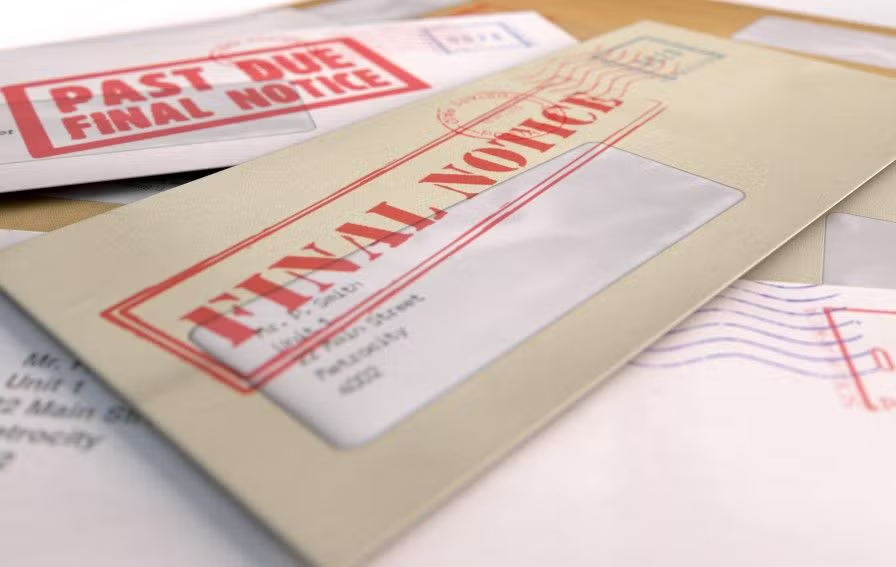
According to the ATO, this does not always mean you need to have commenced formal proceedings to recover the debt. Evidence of communications seeking to obtain payment of debt, including reminder notices and attempts to contact the debtor by phone/mail/email may be sufficient in certain circumstances.
The next step in claiming a bad debt deduction is to write-off the debt as bad. This usually means that you have to record the decision in writing to write-off the debt before the end of the income year in which you intend to claim a deduction. However, the ATO notes that the removal of debt from a customer’s account along with a note indicating that it was a bad debt expense may be sufficient.
In instances where you have dealt with the bad debt in other ways, for example, waived or forgiven the debt, extinguished the liability in another way, or sold the debt, the debt is no longer is existence and you cannot write it off as a bad debt.
Companies that want to deduct bad debts will have the additional hurdle of satisfying the continuity of ownership test (COT). Those that do not satisfy the COT may still deduct a bad debt is you satisfy the same business test or the similar business test. Other special rules also exist trusts including trusts that have made a family trust election.
There may also be GST consequences for businesses when writing-off bad debts. For example, where the business accounts for GST on a non-cash basis, a decreasing adjustment can be claimed where you’ve made the taxable sale and have paid the GST to the ATO and have subsequently not received the payment. However, the debt will need to have been written off as bad and has been overdue for 12 months or more.
Businesses that account for income on cash basis will not be able to claim a deduction for bad debts. This is because these businesses only include an amount in their assessable income when it is received, therefore, bad debts will have no income tax consequences.
Unable to obtain payment from a debtor, get deduction for bad debts?
If non-payment from customers or debtors is getting your business down, we can help you sort out the bad debts from the others and help you get a tax deduction or a GST adjustment when the time comes. Call us today for expert advice.
Hunter Partners are Accountants, Tax Agents and Financial Planners. We can assist you with all aspect of your accounting, tax and financial planning requirements, call Hunter Partners on (07) 4723-1223.